
DPF BOX provides professional diesel aftertreatment cleaning for eligible DPF, DOC, SCR and EGR cooler components, with inspection, controlled processing and clear service findings in Las Vegas, Staten Island and through available mail-in service.
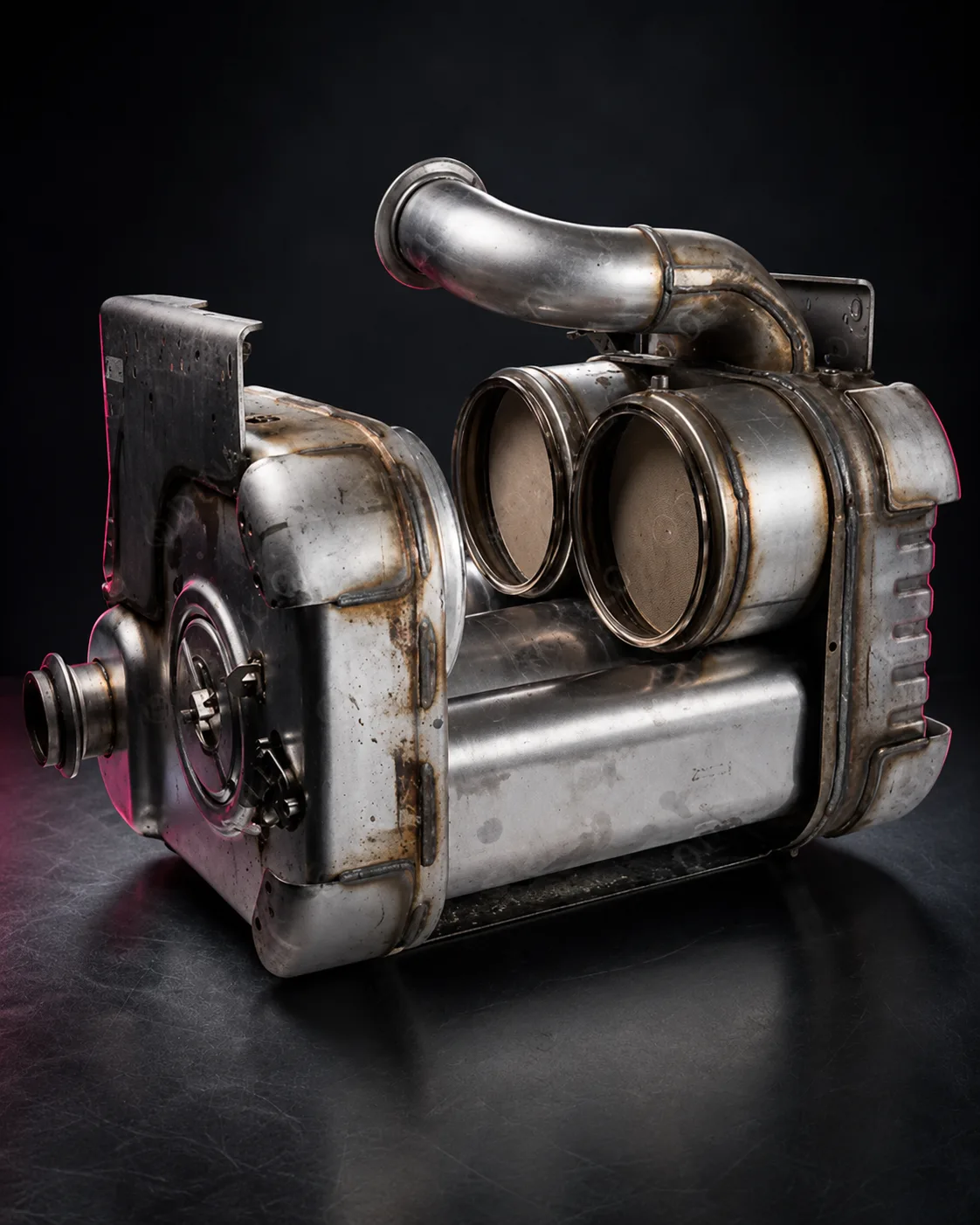
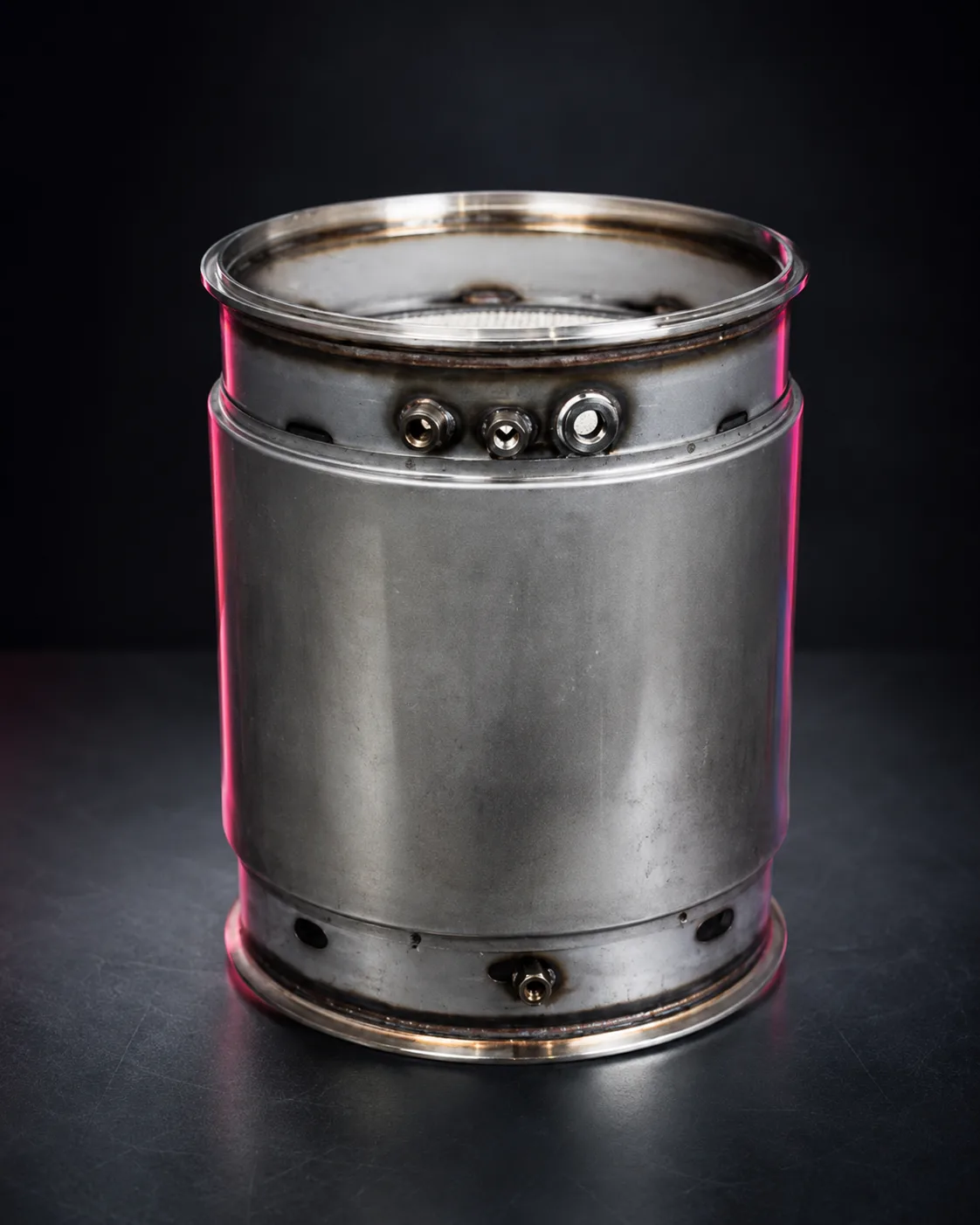
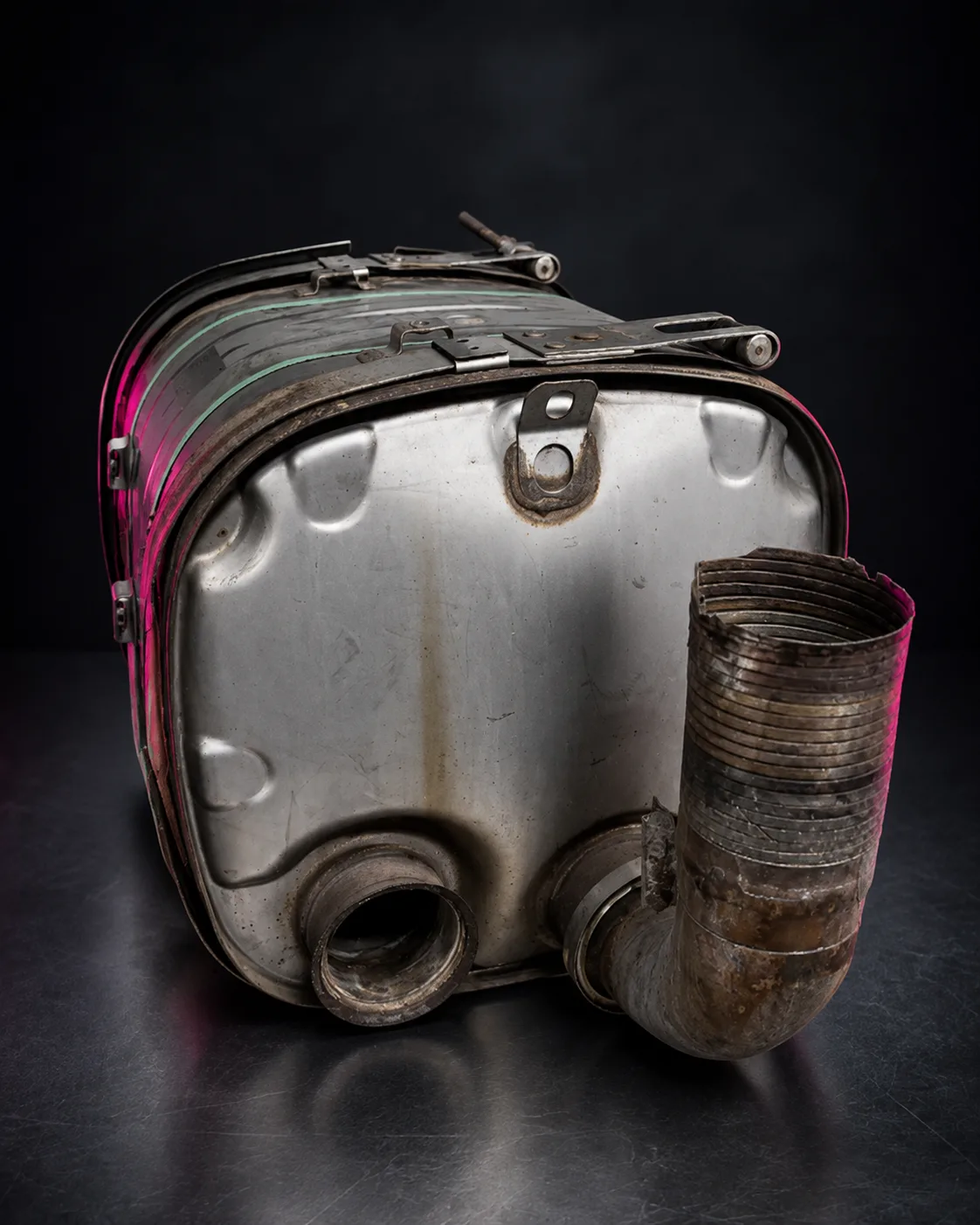
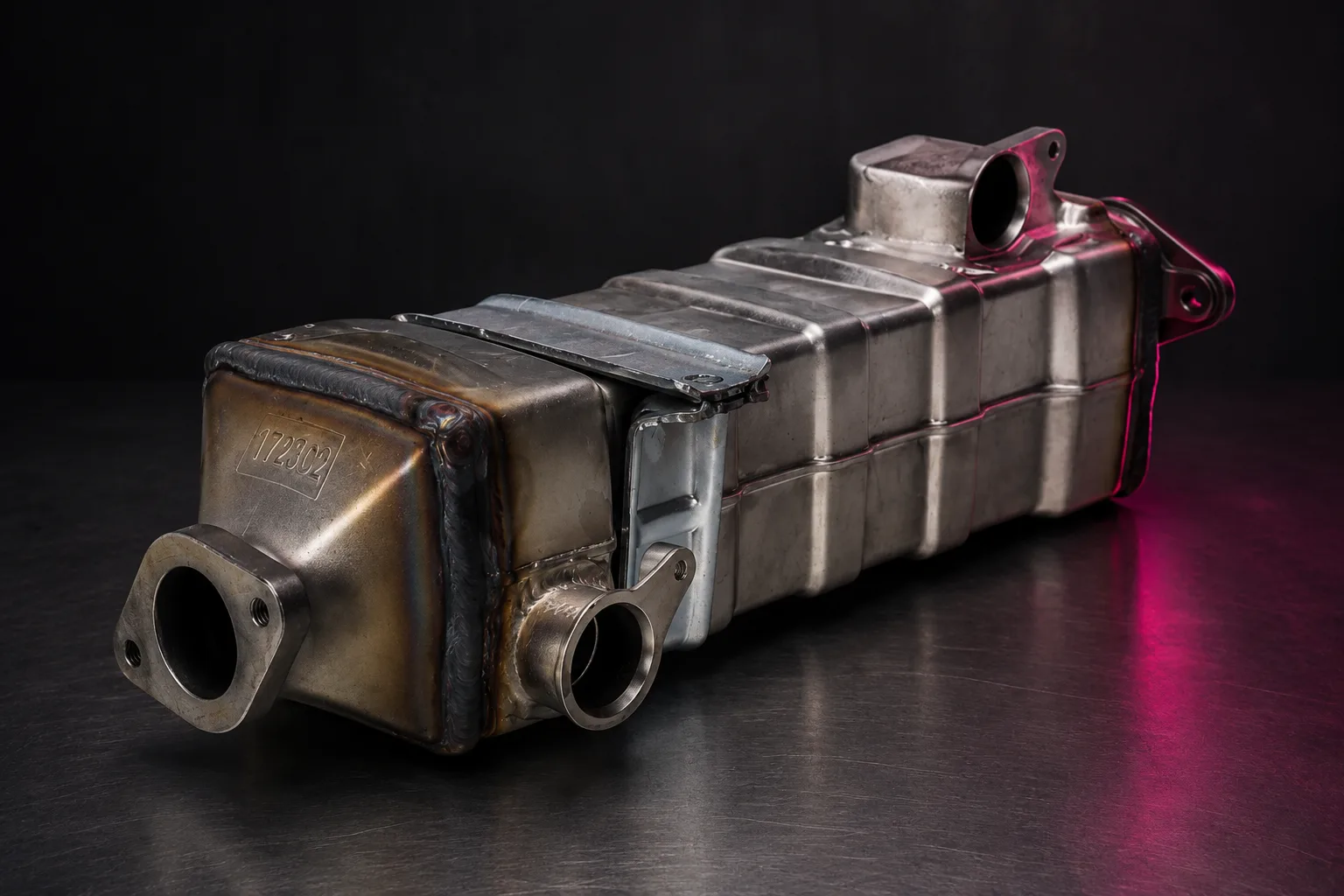
DPF, DOC, SCR and EGR components perform different functions and develop different forms of contamination. Cleaning method and service eligibility must be evaluated separately for each component and assembly.
Captures particulate matter and gradually accumulates soot and non-combustible ash that can increase exhaust restriction.
Commercial catalyst housings may contain DOC or SCR sections depending on the application. Contamination, coating condition and structural integrity affect serviceability.
Integrated heavy-duty assemblies may combine multiple emissions-control stages in one housing and require component-specific inspection before service.
Carbon, soot and oily residue can restrict internal passages and reduce exhaust-gas flow or heat-transfer performance.
Technical Note: Component identification and service eligibility depend on the application, part number, internal construction and physical inspection.
These real component examples show visible contamination before service and the same internal passages after professional cleaning. Visual improvement is only one part of service evaluation; final eligibility and results also depend on component condition and testing where applicable.
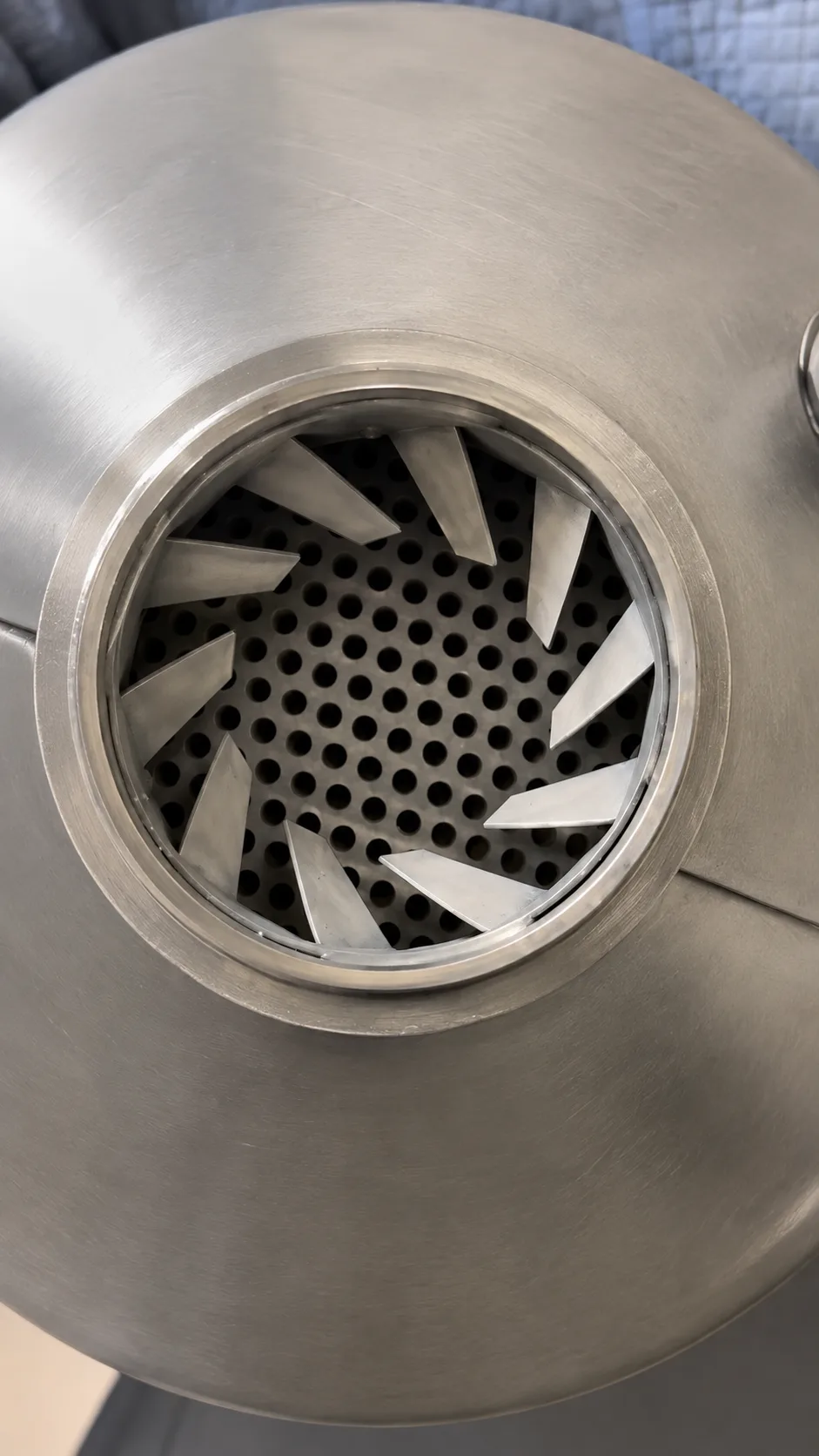
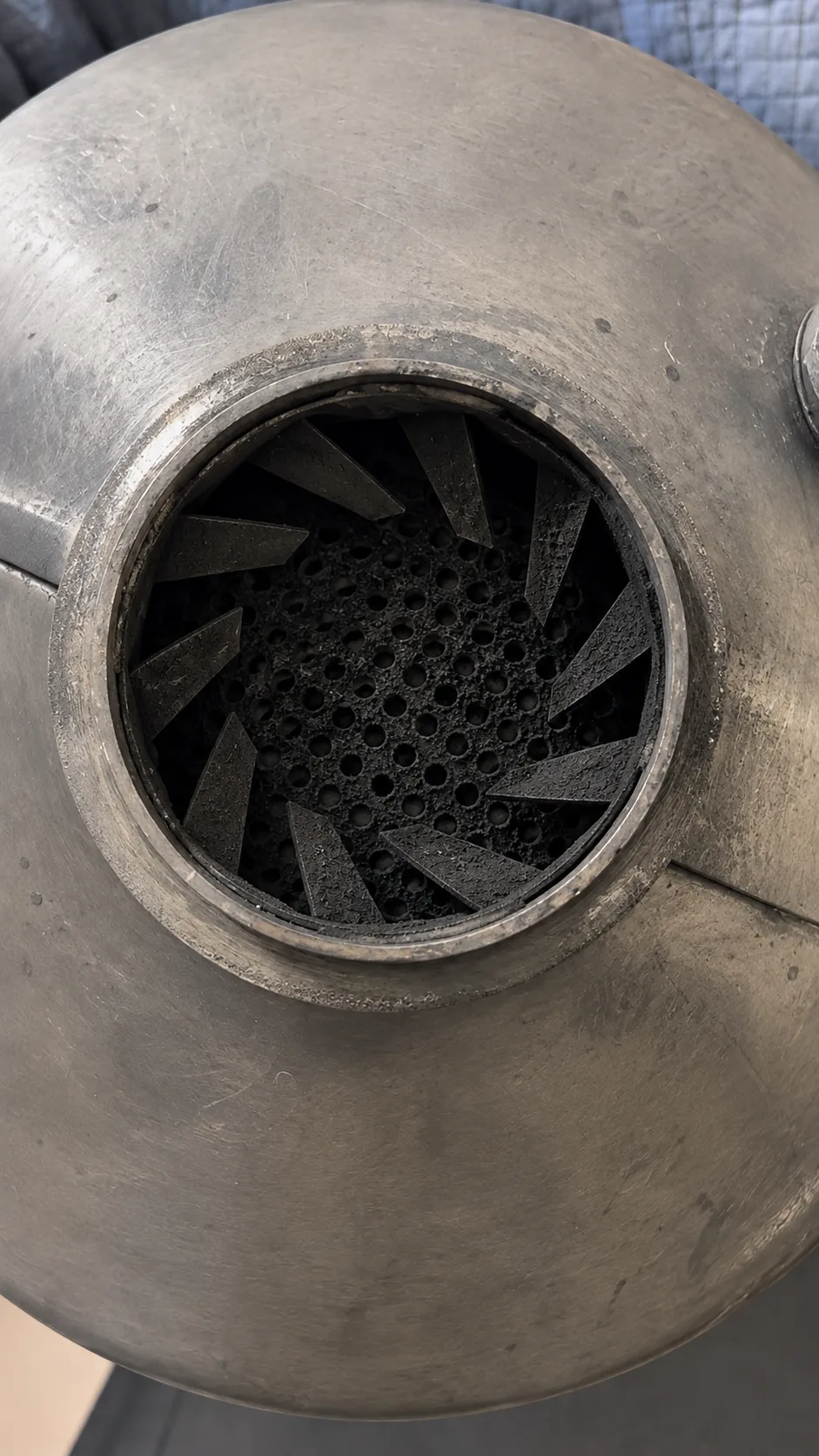
Heavy deposits can obstruct accessible passages and increase restriction. Professional cleaning may restore visible flow paths when the internal structure remains intact.
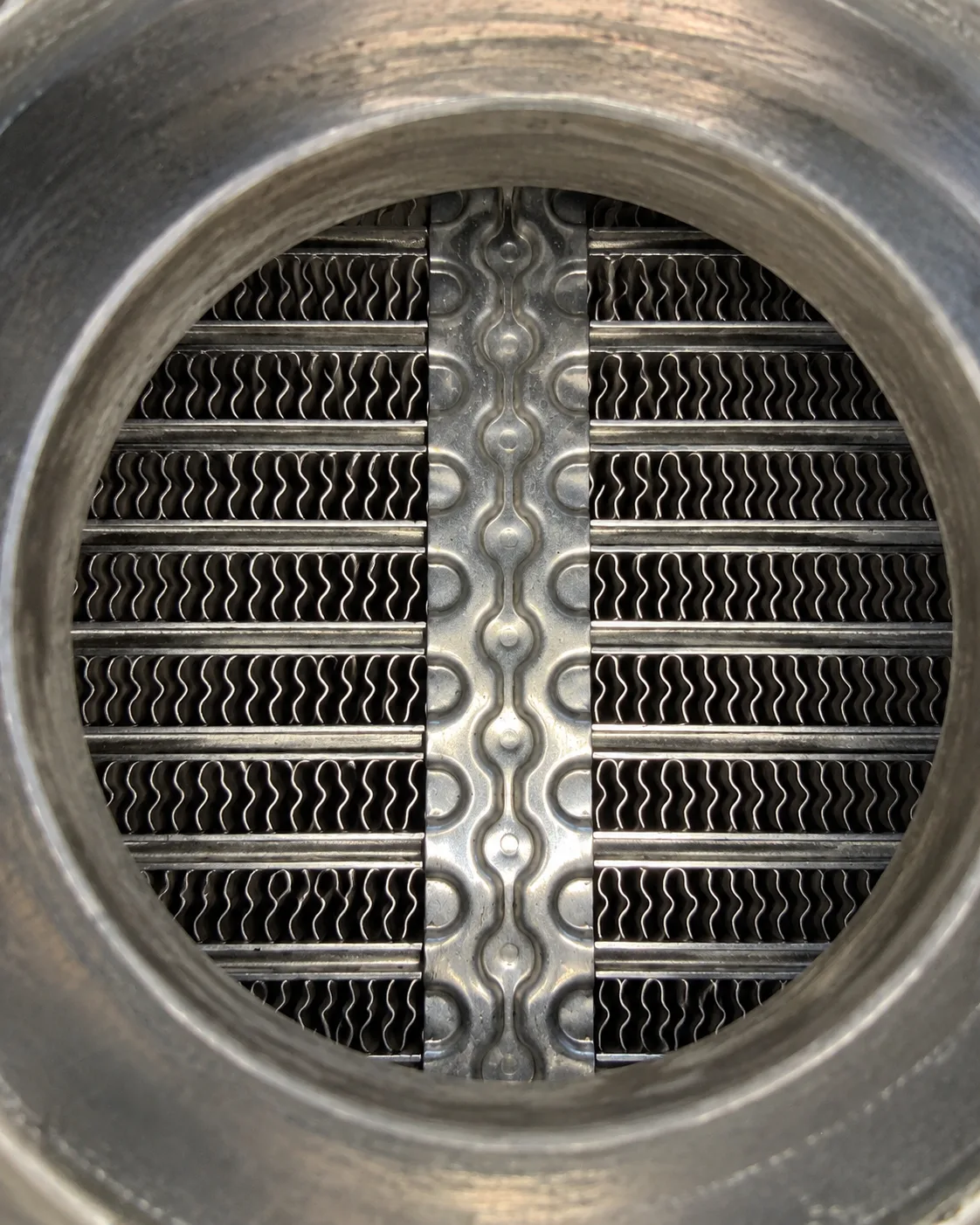
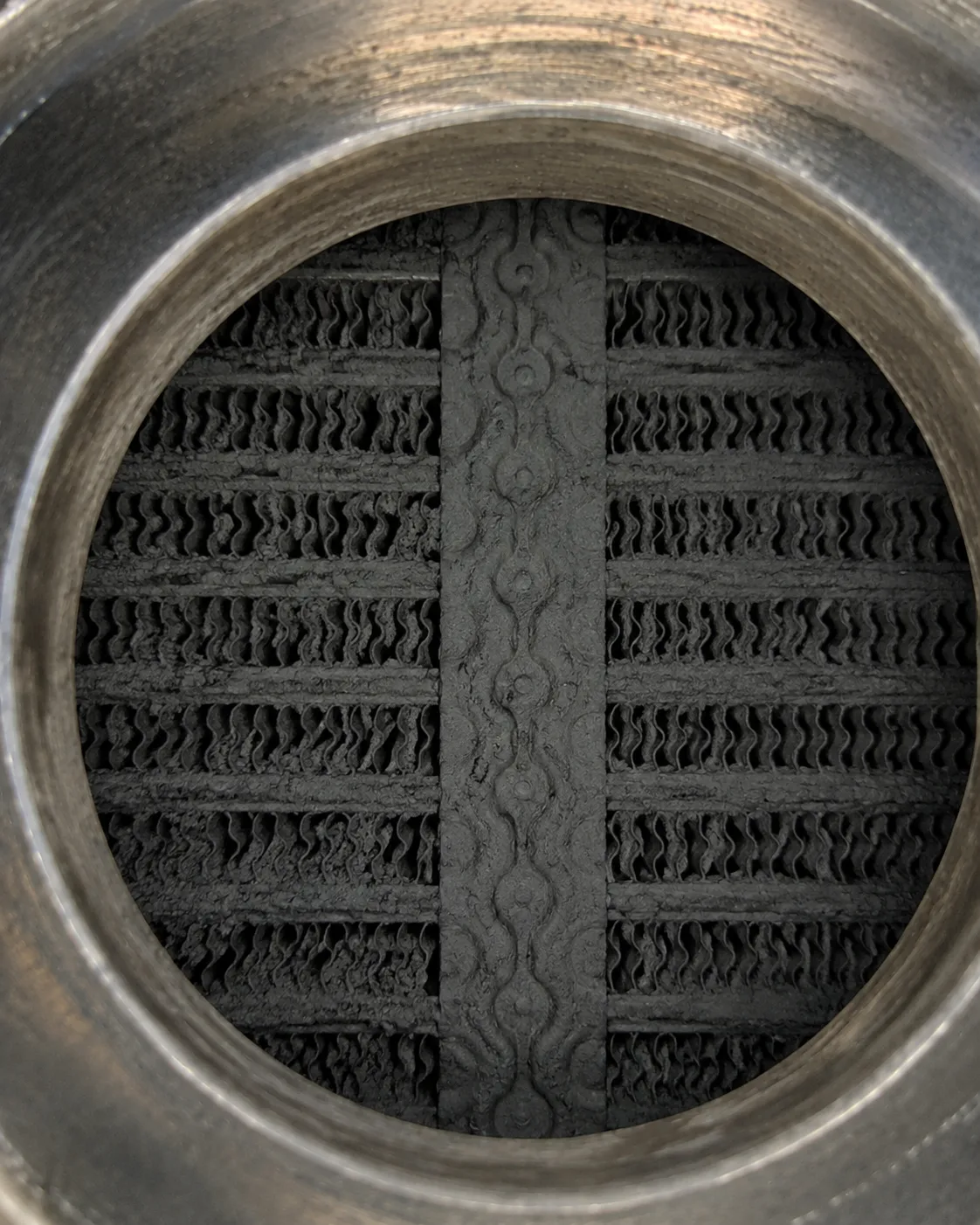
Carbon and oily residue can collect inside narrow EGR cooler passages. Cleaning may improve accessible flow and heat-transfer surfaces when no internal leak or structural failure is present.
Technical Disclaimer: Visual appearance does not by itself confirm catalyst efficiency, pressure integrity or complete serviceability.
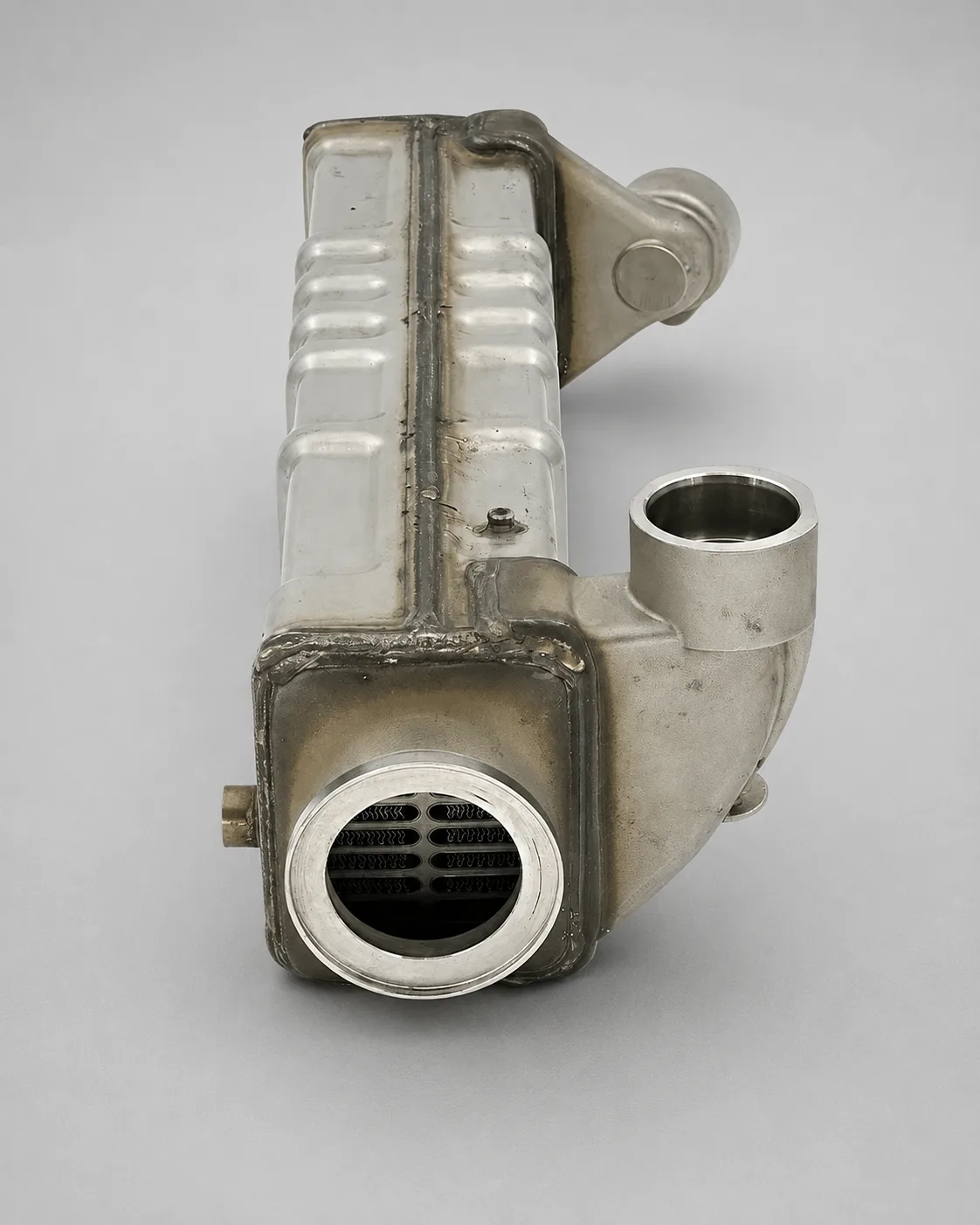
Carbon, soot and oily residue can accumulate inside EGR cooler passages and restrict exhaust-gas flow. Professional cleaning may remove serviceable buildup and help avoid premature replacement when the cooler remains structurally intact.
Diagnostic Note: These symptoms may also result from EGR valves, sensors, coolant leaks or other engine faults. Diagnosis is required before assuming the cooler is the only cause.
Send the component type, truck or engine information, warning codes and clear photos. DPF BOX will help confirm the appropriate station and next step.