
Fleet DPF cleaning with fast FLASH Restoration for commercial fleets, repair shops and owner-operators. Service is available in Las Vegas, Staten Island and through eligible mail-in support.
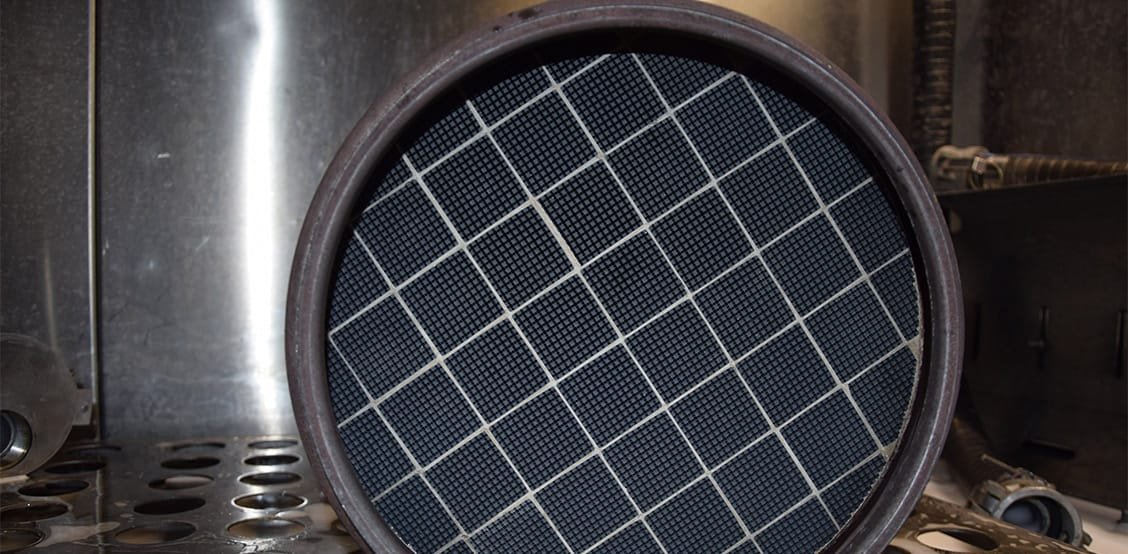
FLASH Process • No Burning or Cutting
We support single-truck operators, repair facilities and commercial fleets that need faster turnaround, clearer communication and a dependable cleaning process.

Fast turnaround for working trucks and reduced downtime between routes.
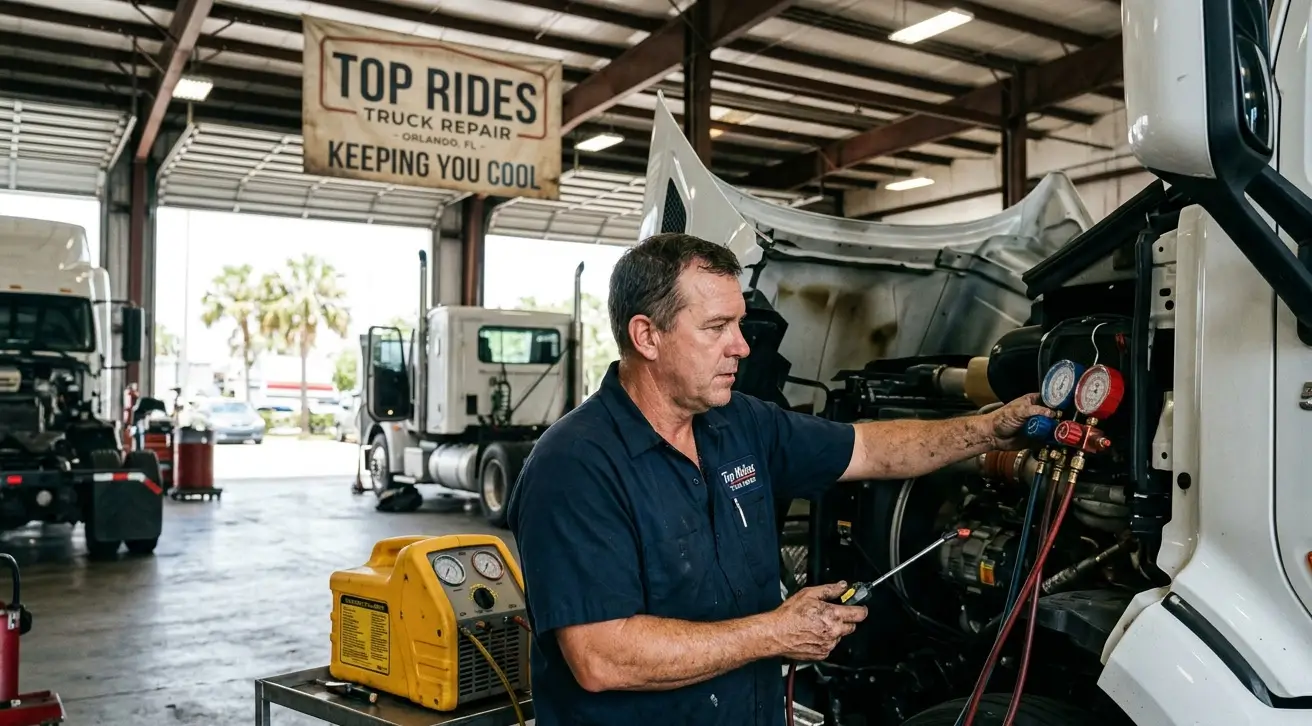
A dependable sublet cleaning partner with documented inspection and communication.
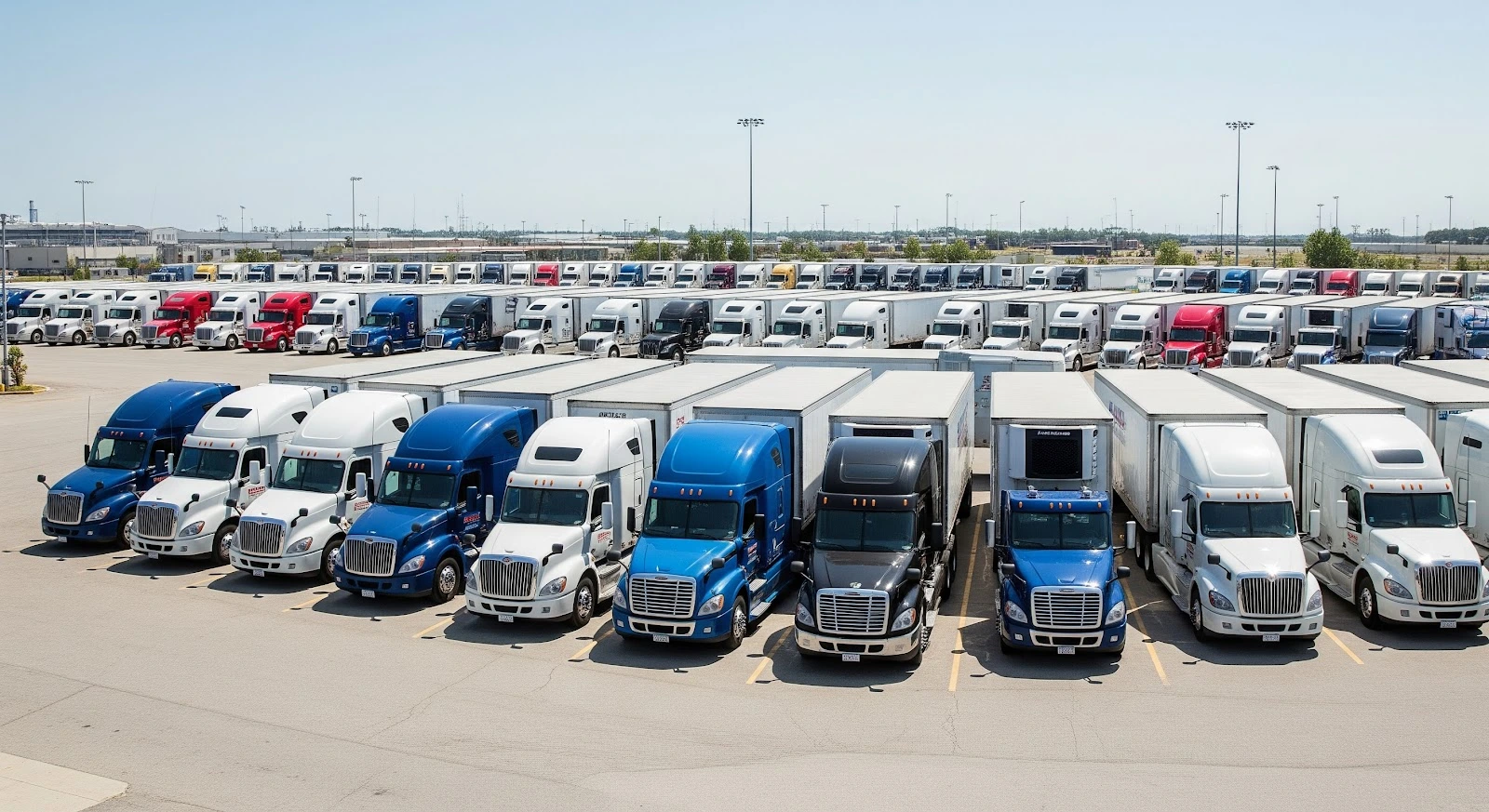
Structured service for multiple units, recurring work and operational consistency.
Each component is handled as an individual service job, with eligibility review, controlled FLASH Restoration and documented findings before return.
Visible condition, contamination and structural suitability are reviewed before cleaning begins.
Relevant restriction readings are reviewed before and after service to document whether airflow improved.
Relevant visible findings and service limitations are communicated before the component is released.
The component is returned with the relevant service result, condition status and next-step recommendation when further diagnosis is needed.
As soot and non-combustible ash accumulate, exhaust restriction increases. The engine must work against higher backpressure, regeneration demand rises and the vehicle becomes more exposed to fuel loss, performance reduction, derate and unplanned downtime.
Normalized operational trend — not engine-specific dyno data
Illustrative operational trend. Actual response depends on engine model, ECM calibration, duty cycle, sensor data and filter condition.
Higher exhaust restriction can reduce the engine’s ability to deliver normal performance under load, especially during acceleration, grades and heavy-duty operation.
Active regeneration adds fuel to the exhaust stream to create the heat needed to oxidize soot.
Repeated parked regenerations and unresolved fault codes remove working trucks from active routes.
At severe soot-load or aftertreatment fault levels, the engine control system may limit output or require the vehicle to stop, depending on the engine and calibration.
Repeated overheating, failed regenerations and prolonged restriction can increase thermal stress and the risk of expensive aftertreatment damage.
Actual symptoms and derate strategy vary by engine family, ECM calibration, duty cycle and component condition.
A clogged or ash-loaded DPF primarily creates an operational and maintenance problem. Removing, disabling or electronically bypassing required emissions controls creates a separate legal compliance risk.
A restricted filter can lead to repeated regeneration, warning lights, reduced output, missed routes and emergency service.
Depending on vehicle weight and registration area, diesel vehicles may face annual emissions testing, opacity checks or roadside inspection.
Removing, disabling or electronically bypassing required emissions equipment is prohibited by federal law.
Clarification: A clogged DPF does not automatically produce the maximum federal penalty. The federal anti-tampering provisions apply to removing, disabling, bypassing or defeating required emissions controls.
Depending on vehicle weight and registration area, diesel vehicles may be subject to annual or roadside diesel emissions inspection.
Certain diesel vehicles are subject to emissions and opacity testing, and Nevada DMV may investigate reported smoking vehicles.
Cleaning a serviceable filter is not only a maintenance decision. It can help preserve uptime while keeping the original emissions system intact.
A practical fleet DPF cleaning framework for repair shops and commercial fleets managing multiple vehicles, recurring maintenance and active dispatch schedules.
Two service facilities, documented processing and mail-in support for eligible commercial components.
Many eligible components can be processed in approximately two hours, subject to condition and current workload.
Relevant pre-service and post-service restriction readings support documented fleet maintenance decisions.
Clear updates on component condition, service eligibility, current status and any recommended next step.
Drop-off service in Las Vegas or Staten Island, plus mail-in support for eligible components.
From intake inspection through FLASH Restoration and restriction testing.
Tell us your location, component type, and service urgency.
Bring the unit to Las Vegas or Staten Island, or ship via mail.
We inspect structural integrity and review restriction airflow.
Eligible components undergo the controlled FLASH Restoration process.
We return the serviced unit along with documented test flow results.
If severe structural damage or non-cleaning-related faults are present, additional diagnosis or replacement may be required.
High-capacity yard intake & logistics.
Automated commercial restoration cycle.
Serviced components ready for heavy haul.
We focus on practical service execution: intake, inspection, cleaning and clear communication. This is especially important for fleets and repair shops managing active equipment.
Yes. We work with owner-operators, multi-truck operations and commercial fleets, depending on scheduling and component eligibility.
Yes. We can support repair facilities that need a dependable DPF cleaning partner and documented process communication.
Yes. Service is available in Las Vegas and Staten Island, and mail-in service may also be available depending on the job.
Many eligible jobs are processed in approximately 2 hours, but timing can vary depending on condition, volume and scheduling.
No. Serviceability depends on inspection, condition and whether the component is structurally suitable for cleaning.
Yes, we may also work with DOC and SCR components, depending on condition and application.
Tell us your location, component type and fleet needs. We’ll help you choose the most practical next step.